HVAC Hurricane Preparedness for New Orleans Homeowners
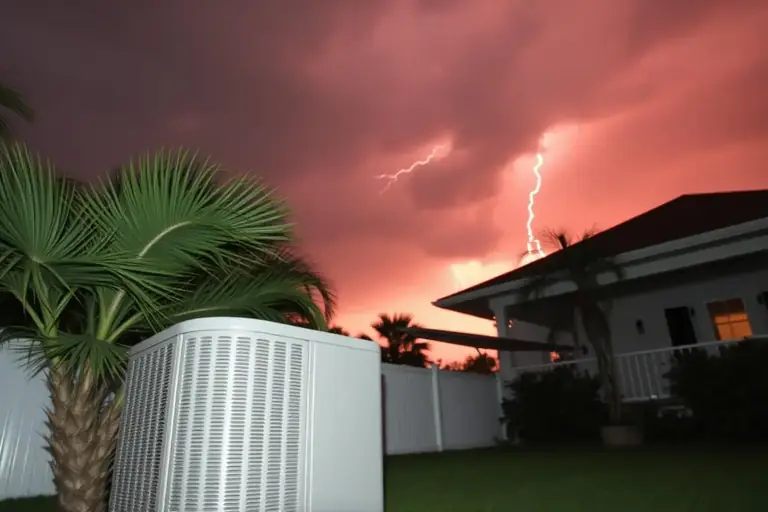
Before a storm, shut the HVAC system off at the thermostat and, if it is safe to do so, at the outdoor disconnect. After a storm, never restore power to equipment that was flooded or shows signs of water intrusion — have it inspected by a licensed professional first. Here is what to do before, during, and after a storm.
Before Hurricane Season Begins
Atlantic hurricane season runs June 1 through November 30. Many homeowners use the weeks beforehand to have their system checked, review surge protection, and clear the area around outdoor equipment, since scheduling and supplies tend to be easier to arrange before a storm is bearing down.
Pre-Season Checklist
1. Have the System Checked
A professional inspection can identify weak points — loose electrical connections, low refrigerant, or weak components — that a power surge could push into failure. Our maintenance plan includes two seasonal tune-ups a year.
2. Ask About Surge Protection
Lightning strikes and grid instability are common causes of HVAC damage in Louisiana. A whole-home surge protector at the electrical panel, along with a dedicated surge protector at the outdoor disconnect, are both worth discussing with a licensed electrician or your HVAC technician.
3. Document Your Equipment
Take dated photos of the outdoor condenser (including the model and serial plate), the indoor air handler, thermostat, and ductwork, and store them somewhere accessible. This can help support an insurance claim if equipment is damaged later.
4. Clear and Secure the Area Around Outdoor Equipment
Walk the yard and identify anything that could become a projectile in high winds — lawn furniture, planters, garbage cans, loose fence boards, and dead limbs. Have a plan to secure or bring these inside when a storm is approaching.
5. Ask About Elevated Equipment in Flood-Prone Areas
If your property is in a flood-prone area, ask an HVAC contractor whether elevating outdoor equipment on a pad or platform is appropriate for your situation.
When a Storm Is Approaching
| Step | What to Do |
|---|---|
| Change the air filter | A clean filter helps the system recover once power is restored. |
| Secure outdoor items | Bring in or tie down loose items near the condenser. |
| Shut the system off | Turn the system off at the thermostat, then, if it is safe to do so, at the outdoor disconnect and the HVAC breaker. |
Do not cover or wrap the outdoor unit. Tarps can trap moisture and become dangerous debris in high winds.
After the Storm: Safety First
Once it is safe to go outside, inspect the equipment visually — but do not attempt to restart it if anything looks wrong:
- Visible damage: dented coils, displaced fan blades, debris inside the unit, or a shifted condenser pad
- Water lines on the outdoor unit, which can indicate water reached electrical components
- Water on the floor of the indoor air handler closet or attic
- A smell of burning or melted plastic
If you see any of these signs, leave the system off and have it evaluated by a licensed technician before attempting to restart it. Never restore power to equipment that was submerged or shows signs of water intrusion — call for professional evaluation instead.
If Your System Was Flooded
Floodwater around outdoor or indoor equipment can short electrical components, contaminate the compressor, and saturate insulation in the ductwork, which can lead to mold growth. Equipment that has been submerged should be evaluated by a professional before any attempt to use it again — never restore power to it yourself. A technician can advise whether repair or replacement is appropriate once the equipment has been assessed.
Restoring Power After a Storm
If the equipment was not flooded and shows no signs of damage, a technician-informed approach to restarting typically includes waiting a period after power is restored (utility power can surge or dip as the grid stabilizes), then restoring power gradually and watching for unusual sounds or behavior. If you have any doubt about whether the equipment is safe to restart, call a licensed technician rather than restoring power yourself.
Get Your System Checked Before Storm Season
We serve the Greater New Orleans area for pre-season checks and post-storm inspections.
Frequently Asked Questions
HVAC Service Areas
Keeping It Cool Heating & Air proudly serves homeowners throughout the Greater New Orleans area:
Related Articles
Related Services
Need help from a Greater New Orleans HVAC pro? Explore the services most relevant to this article:
Your Next Steps
- Book a pre-storm system inspection
Surge protection, drainage, and condenser checks before storm season.
- Emergency HVAC FAQs — what counts as urgent
When to call after hours versus waiting for a regular appointment.
- Request a written, no-pressure quote
Tell us what is happening and we will put the scope in writing.