
Keeping It Cool Home Guides
Expert HVAC tips, maintenance guides, and home comfort advice from our team in the Greater New Orleans area.


Practical HVAC Advice for Gulf Coast Homes
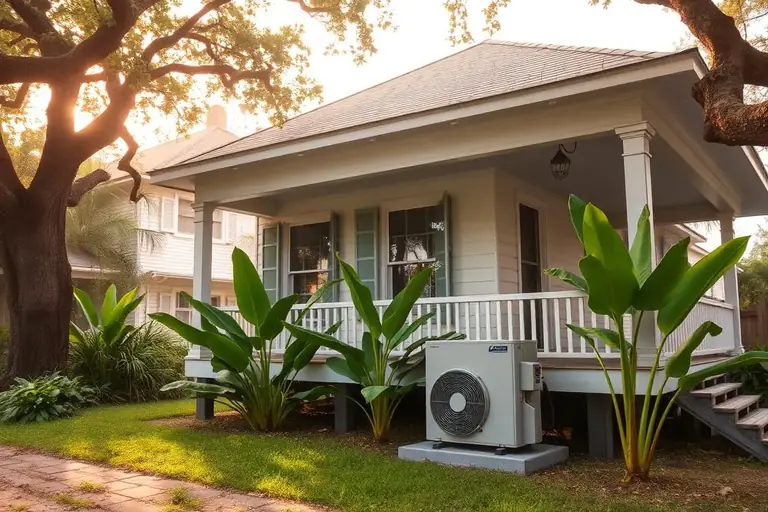
Most HVAC advice online is written for a national average climate that does not exist in Louisiana. Here, cooling season runs roughly eight to nine months, summer dew points sit in the 70s, and salt air off Lake Pontchartrain accelerates coil corrosion. Equipment lifespans, service intervals, and even filter choices all shift because of it. These guides are written for the homes we actually work in — attic air handlers over living rooms, retrofitted ductwork in raised historic houses, and condenser pads that sit in yards that flood.
Our editorial approach is simple. We explain what causes a problem before we explain the fix, we are explicit about which tasks a homeowner can safely handle and which require a licensed technician, and we publish cost information as ranges with the variables that move them. Where a recommendation depends on manufacturer specification, code, or a federal regulation such as EPA Section 608 refrigerant handling, we say so rather than presenting it as opinion.
What we will not do is manufacture urgency. If a repair is reasonable, we say so. If a system is genuinely at end of life, we explain the math behind that conclusion so you can check it against any quote you receive, including ours.
Have a question these guides do not answer? Call (504) 762-0331, request a free written estimate, or see the full range of HVAC services we provide across the Greater New Orleans area.
About These Guides
How this content is produced, and how to use it safely.
Who writes these HVAC guides?
Every guide is written and reviewed by the Keeping It Cool Heating & Air team. The failure patterns and recommendations reflect the conditions HVAC systems face across Kenner, Metairie, New Orleans, the West Bank, and the Northshore — a long cooling season, high humidity, storm exposure, and hot attics — rather than generic national advice.
Can I use these articles to repair my own system?
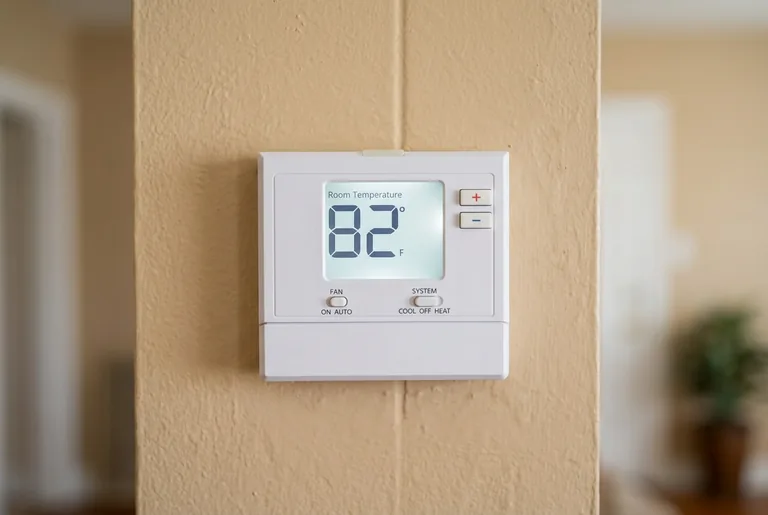
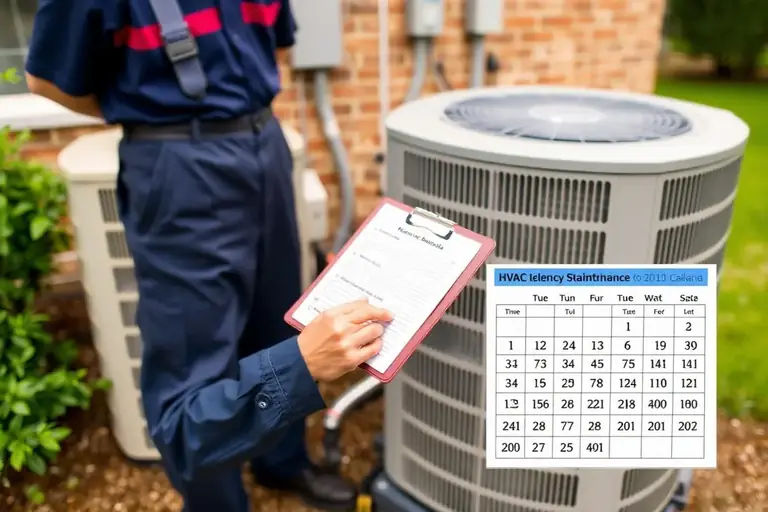
You can safely handle the homeowner-level tasks we describe: changing filters, clearing an accessible condensate drain, checking the breaker and float switch, keeping the outdoor unit clear of debris, and reading your thermostat correctly. Anything involving refrigerant, sealed-system components, gas connections, or line-voltage wiring should be left to a licensed technician. Refrigerant handling is federally regulated, gas work carries carbon monoxide risk, and both can void your equipment warranty if performed improperly.
Are the cost figures in these articles accurate for my home?
Cost ranges are published as ranges for a reason. Actual pricing depends on equipment size and efficiency, duct condition, electrical work, permits, and access. Treat any number in an article as a planning guideline, then get a written estimate for your specific home before you budget. We quote flat pricing in writing before work begins.
How often is this content updated?
We revise guides when equipment standards, refrigerant regulations, efficiency requirements, or utility and tax incentive programs change, and when our own field experience contradicts what we published earlier. Each post carries a publish date so you can judge how current the information is.
Which article should I read first?
If your system is running but not keeping up, start with our troubleshooting guides. If your system is over ten years old, read the repair-versus-replace and system cost guides before you get quotes. If your bills are climbing without a comfort change, start with the duct, insulation, and maintenance articles — in this climate those three account for most of the avoidable energy waste we find.