How Often Should You Service an AC in Louisiana?
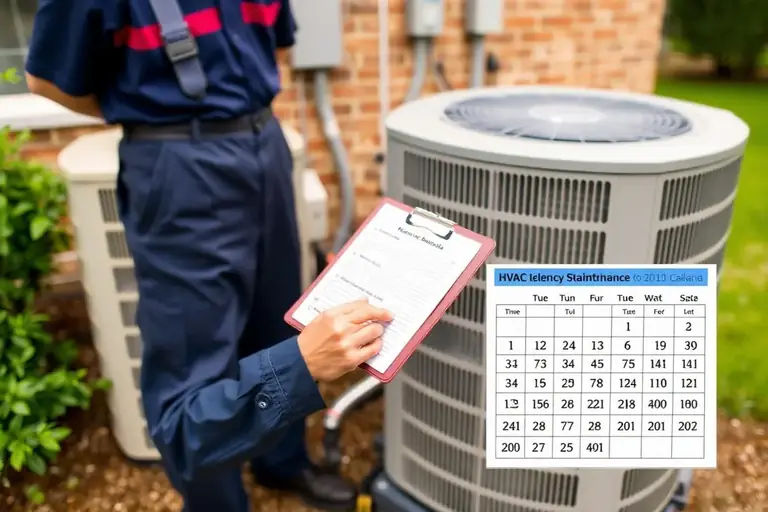
Most homes in the Greater New Orleans area do best with two service visits a year, timed around a cooling season that runs many months and a heating season that's short but real. Here's how to think about the timing, not just the count.
Why the Local Season Shapes the Schedule
Many homes here run cooling for the better part of the year, often overlapping into months that would be firmly "off season" elsewhere. That extended runtime, combined with high humidity and, for homes near the lake or coast, salt-air exposure, is why a single annual visit can miss issues that develop mid-season.
A Two-Visit Rhythm
- Ahead of cooling season (spring): refrigerant check, coil condition, condensate drain, electrical component inspection.
- Ahead of heating season (fall): heating-side safety checks, ignition or heat pump defrost operation, and a general system review before cold weather arrives.
When One Visit a Year Might Be Reasonable
A newer system with light use — a vacation home, a small addition, or a household that runs the system sparingly — may get by on a single well-timed spring visit. Most primary residences here, though, benefit from the second visit simply because of how many hours the equipment logs.
What Skipping Visits Puts at Risk
Without regular checks, airflow, coil cleanliness, drainage and refrigerant charge can all drift gradually — the kind of change that's hard to notice day to day but adds up. Skipped maintenance can also affect manufacturer warranty coverage; check the specific terms in writing rather than assuming.
Keeping the Schedule Without Tracking It Yourself
Our membership plan, at $199 annually or $19.99 monthly, includes two seasonal tune-ups a year so the timing is handled for you, along with a 10% repair discount, no after-hours fee, and a $100 replacement credit.
Get on a Two-Visit Schedule
Membership plans built around the local cooling and heating seasons.
Frequently Asked Questions
HVAC Service Areas
Keeping It Cool Heating & Air proudly serves homeowners throughout the Greater New Orleans area:
Related Articles
Related Services
Need help from a Greater New Orleans HVAC pro? Explore the services most relevant to this article:
Your Next Steps
- Join a twice-yearly maintenance plan
Two seasonal tune-ups and a repair discount on the membership plan.
- Maintenance plan FAQs — what's covered and how often
Visit frequency, included tasks, and plan tiers explained.
- Emergency HVAC FAQs — what counts as urgent
When to call after hours versus waiting for a regular appointment.
- Request a written, no-pressure quote
Tell us what is happening and we will put the scope in writing.