How Often Should You Change Your AC Filter in New Orleans?
If there's one thing every New Orleans homeowner can do to protect their HVAC system, it's changing the air filter regularly. It is inexpensive, takes two minutes, and can prevent hundreds of dollars in AC repairs. Yet it's the single most neglected maintenance task we see.
In this guide, we'll cover exactly how often to change your AC filter in the Greater New Orleans area, what type of filter to use, and the warning signs that yours is overdue.
The Short Answer: Every 30 Days in Summer
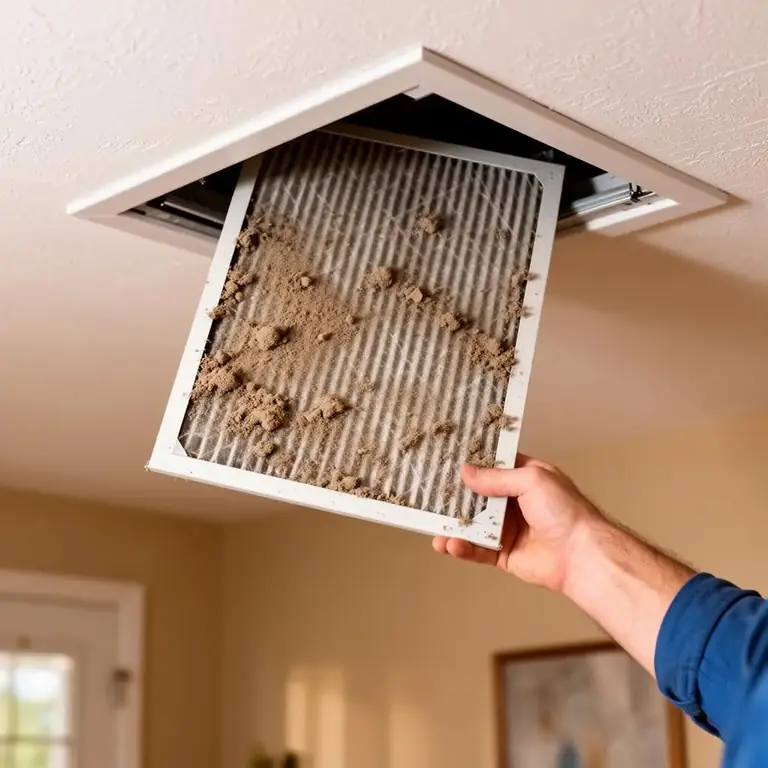
During the cooling season (May through October), your AC runs nearly around the clock in Southeast Louisiana. That means air is constantly cycling through your filter, trapping dust, pollen, pet dander, and mold spores. A standard 1-inch pleated filter will be completely loaded within 30 days.
During milder months (November through April), when your system cycles less frequently, you can typically stretch filter changes to every 60–90 days. But if you have pets, suffer from allergies, or live near construction, stick with monthly changes year-round.
Why Filter Changes Matter More in Louisiana
New Orleans isn't like other cities when it comes to HVAC. Our subtropical climate creates unique challenges:
- Humidity above 80% — Moisture in the air makes filter fibers swell and clog faster
- Year-round pollen — Oak, cypress, and grass pollen circulate almost every month
- Mold spore counts — Louisiana consistently ranks among the highest in the nation
- Extended run times — Your AC may run 16+ hours per day from May through September
A clogged filter in this environment doesn't just reduce airflow — it creates the perfect breeding ground for mold inside your ductwork. That's why we always check filters during our maintenance plan visits.
Filter Change Schedule by Household Type
| Household Type | Summer (May–Oct) | Winter (Nov–Apr) |
|---|---|---|
| No pets, no allergies | Every 30 days | Every 60–90 days |
| 1 pet | Every 30 days | Every 45–60 days |
| Multiple pets | Every 20–30 days | Every 30–45 days |
| Allergy / asthma sufferers | Every 20–30 days | Every 30–45 days |
| Smokers in the home | Every 20 days | Every 30 days |
Which Filter Should You Use? MERV Ratings Explained
MERV (Minimum Efficiency Reporting Value) tells you how effectively a filter captures particles. Here's what we recommend for New Orleans homes:
- MERV 1–4: Fiberglass filters — cheap but only catch large debris. Not recommended for Louisiana.
- MERV 8–11: Pleated filters — the sweet spot for most homes. Catches pollen, mold spores, dust mites, and pet dander without restricting airflow.
- MERV 13+: Hospital-grade filtration — excellent for indoor air quality but can strain older systems. Check with your technician first.
Using a filter with too high a MERV rating for your system is almost as bad as using a dirty one — both restrict airflow and can cause your AC to freeze up.
5 Signs Your AC Filter Needs Changing Now
- Weak airflow from vents — Hold your hand near a supply vent. If the air feels weaker than usual, the filter is likely clogged.
- Your home feels more humid — A restricted filter reduces dehumidification capacity, making your home feel sticky.
- Dust buildup on surfaces — If you're dusting more often than usual, your filter isn't catching what it should.
- Higher energy bills — A dirty filter forces your system to work harder, increasing your Entergy bill by 5–15%.
- The filter looks gray or dark — Pull it out and hold it up to a light. If you can't see through it, it's done.
How to Change Your AC Filter (Step by Step)
- Turn off your HVAC system at the thermostat
- Locate the return air vent (usually in a hallway or near the air handler)
- Remove the vent cover or open the filter slot
- Slide out the old filter — note the size printed on the frame (e.g., 20x25x1)
- Check the airflow arrow on the new filter and insert it pointing toward the ductwork
- Close the cover and turn your system back on
- Write the date on the filter frame with a marker so you know when to change it next
Pro tip: Buy filters in bulk (6- or 12-packs) so you always have one ready. Set a monthly phone reminder for the first of each month.
When a Filter Change Isn't Enough
If you're changing your filter regularly but still experiencing poor airflow, high humidity, or rising energy bills, the problem may be deeper. Common culprits include:
- Dirty evaporator or condenser coils
- Clogged condensate drain line
- Leaky or disconnected ductwork — consider a duct camera inspection
- Duct contamination requiring professional duct cleaning
- An aging system that needs replacement
Our maintenance plans include filter checks, coil cleaning, and a full system inspection twice a year — so you never have to guess.
Not Sure What's Going On With Your AC?
If changing the filter didn't fix the problem, our team can diagnose the issue fast. We serve the entire Greater New Orleans area.
Frequently Asked Questions
HVAC Service Areas
Keeping It Cool Heating & Air proudly serves homeowners throughout the Greater New Orleans area:
Related Articles
Seasonal HVAC Maintenance Checklist
A complete season-by-season guide for New Orleans homeowners.
Read moreIndoor Air Quality in New Orleans
Humidity, filtration and duct condition in New Orleans homes.
Read moreHow to Lower Your Energy Bills This Summer
Proven ways to cut your Entergy bill this cooling season.
Read moreKeep Your AC Running Strong in Louisiana Heat
Practical tips for keeping your air conditioner efficient all summer.
Read moreRelated Services
Need help from a Greater New Orleans HVAC pro? Explore the services most relevant to this article:
Your Next Steps
- Join a twice-yearly maintenance plan
Two seasonal tune-ups and a repair discount on the membership plan.
- Improve indoor air quality at home
Filtration, UV, and dehumidification for humid New Orleans homes.
- Maintenance plan FAQs — what's covered and how often
Visit frequency, included tasks, and plan tiers explained.
- Indoor air quality FAQs — humidity, mold, and filters
Which upgrades actually move the needle in a Gulf Coast climate.