
What ENERGY STAR HVAC Ratings Mean in a Gulf Coast Climate
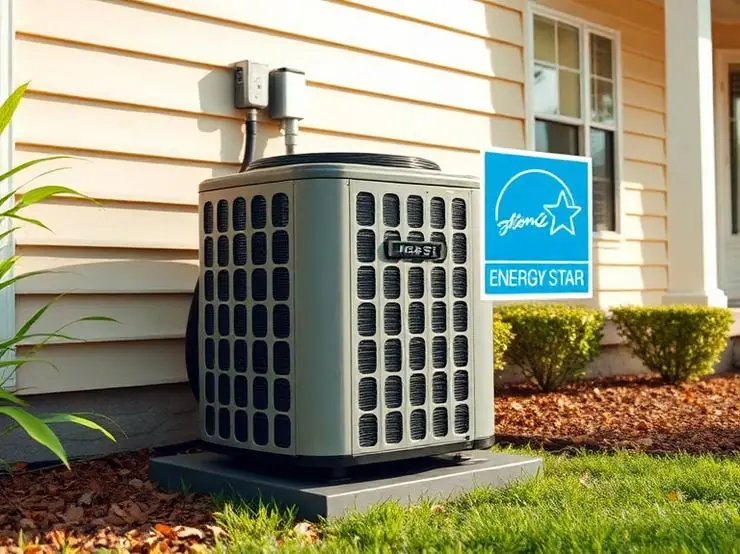
If you've shopped for a new AC or heat pump, you've likely seen the ENERGY STAR label. Here's what it actually verifies, what the SEER2 and HSPF2 numbers mean, and why efficiency is only part of what matters in a long, humid cooling season.
What ENERGY STAR Actually Certifies
ENERGY STAR is an EPA program that certifies HVAC equipment meeting efficiency thresholds above the federal minimum, based on independent testing. It's a useful signal when comparing equipment, but the certification measures the equipment in lab conditions — how it performs in your home also depends on sizing, ductwork, and installation.
SEER2 and HSPF2, Explained
SEER2 (Seasonal Energy Efficiency Ratio 2) measures cooling efficiency over a season under an updated test standard; HSPF2 does the same for heat pump heating. Higher numbers generally indicate less energy used per unit of heating or cooling delivered. These ratings are useful for comparing equipment, but they don't predict an exact number on your utility bill, since actual use depends heavily on the home.
Why the Length of the Cooling Season Matters Here
In a Gulf Coast climate, cooling equipment often runs for a large part of the year, which means efficiency differences between systems have more hours to add up compared to regions with a short cooling season. That said, we can't promise a specific dollar or percentage savings — the outcome depends on the home's insulation, duct condition, and how residents use the system.
Humidity Control Matters as Much as the Efficiency Number
A system with a strong SEER2 rating that doesn't manage humidity well can still leave a home feeling clammy and uncomfortable during a long, humid summer. Variable-speed and multi-stage equipment generally do a better job of running longer at lower capacity, which tends to remove more moisture from the air — but this depends on correct sizing and installation, not the efficiency label alone.
Efficiency Programs and Incentives
Federal and utility efficiency programs change over time, including eligibility rules and available amounts. Check the current program terms before assuming a system qualifies — we're glad to help you find the current information when you're ready to move forward, but we can't guarantee specific incentive amounts in this article.
Choosing the Right System
The right efficiency tier for your home depends on your budget, how long you plan to stay, and your home's specific comfort and humidity issues — not just the highest SEER2 number available. A technician can walk through installation options and, if you're replacing an older system, a full system replacement estimate that accounts for your home's specific ductwork and sizing needs.
Considering a More Efficient System?
Call (504) 762-0331We'll tell you what we can do for your home and budget.
Frequently Asked Questions
HVAC Service Areas
Keeping It Cool Heating & Air proudly serves homeowners throughout the Greater New Orleans area:
Related Articles
How Heat Pumps Work in the Louisiana Climate
How heat pump operation compares in a mild-winter, humid-summer climate.
Read moreLowering Summer Energy Bills in New Orleans
Where cooling energy actually goes and what tends to help.
Read moreWhat Affects the Cost of a New AC System in New Orleans
What efficiency tier does to an installation estimate.
Read moreRelated Services
Need help from a Greater New Orleans HVAC pro? Explore the services most relevant to this article:
Your Next Steps
- Compare AC installation and system replacement
Manual J sizing, equipment options, and what a new system includes.
- Review HVAC financing options
Payment plans for repairs and system replacements, with approved credit.
- System replacement FAQs — sizing, equipment, and process
What a changeout involves and what drives the final quote.
- Quote FAQs — how estimates work and what is included
How estimates work and what the written quote covers.