
Heat Pump or Central AC: Choosing at Replacement Time
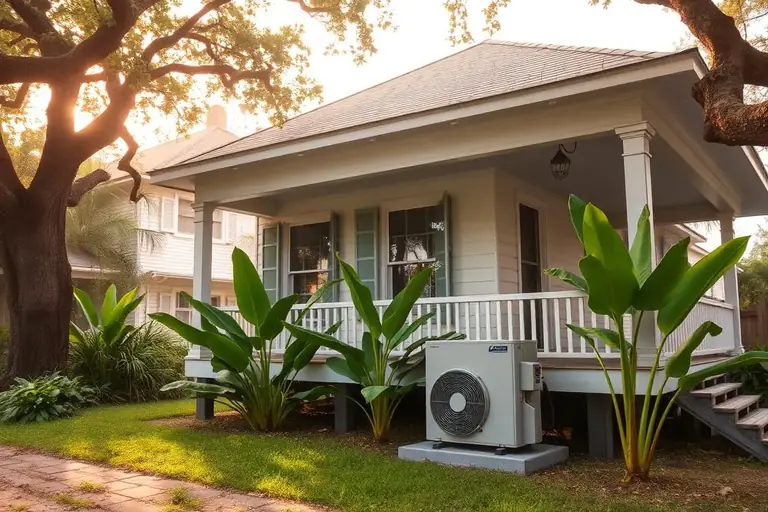
When it's time to replace cooling equipment, the choice between a heat pump and a central AC with separate heating usually comes down to what you already have, how you weigh comfort against cost, and your duct condition — not a single universal answer. This article focuses on that decision. For an explanation of how a heat pump actually operates day to day, see how heat pumps work in this climate.
Start With What You Already Have
If your furnace is relatively young and functioning well, replacing only the cooling side with a new AC condenser and coil can be the more practical near-term choice. If the furnace is old or already showing problems alongside a failing AC, replacing both with a single heat pump system avoids maintaining two aging appliances.
Comfort and Humidity
Neither a heat pump nor a central AC has an inherent humidity-control advantage — the deciding factor is staging. A variable-speed or two-stage system, whether heat pump or AC, runs longer at lower capacity and generally controls humidity better than a single-stage system of either type. If dehumidification is your priority, compare staging first and fuel type second.
Fuel Source and Operating Considerations
A heat pump uses electricity for both heating and cooling. A central AC paired with a gas furnace splits that load between electricity and gas. Which is more economical for your household depends on your specific utility rates and usage patterns, which vary too much to generalize — it's worth reviewing your own bills rather than assuming.
Duct Condition and Sizing
Whichever system you choose, poor duct condition or incorrect sizing will limit its performance. Leaky attic ducts and undersized returns are common issues in older homes here and are worth addressing as part of a replacement rather than after. See our duct services if duct condition is a question mark in your home.
Dual Fuel: Keeping Both
Some homeowners keep an existing gas furnace and add a heat pump for cooling and mild heating, letting the furnace take over during colder weather. This dual-fuel approach can make sense when the furnace still has useful service life, though it is a more complex system than a single heat pump or single AC-and-furnace setup.
Incentives and Program Terms
Federal and utility efficiency programs change, and eligibility rules shift over time. Check the current program terms directly before assuming a particular system qualifies, rather than relying on older information.
What to Ask For on a Replacement Estimate
A useful estimate should show the proposed equipment's staging (single-stage, two-stage, or variable-speed), how the contractor sized it for your home, and what duct work, if any, is included. Financing is available with approved credit if you'd like to spread out the cost; ask about specifics directly.
Comparing a Heat Pump and Central AC for Your Home?
Request an estimate and we'll walk through both options for your specific house.
Frequently Asked Questions
HVAC Service Areas
Keeping It Cool Heating & Air proudly serves homeowners throughout the Greater New Orleans area:
Related Articles
How Heat Pumps Work in the Louisiana Climate
An operating explainer covering defrost cycles and backup heat.
Read moreWhat Affects the Cost of a New AC System in New Orleans
What shows up on a written installation estimate.
Read moreSigns It May Be Time to Replace Your AC in New Orleans
How repeat repairs and comfort issues factor into replacement.
Read moreRelated Services
Need help from a Greater New Orleans HVAC pro? Explore the services most relevant to this article:
Your Next Steps
- Schedule heating and furnace repair
Gulf Coast heating service for furnaces, heat pumps, and dual-fuel setups.
- Compare AC installation and system replacement
Manual J sizing, equipment options, and what a new system includes.
- Heat pump FAQs for Louisiana winters
Why heat pumps suit our mild winters and when backup heat kicks in.
- System replacement FAQs — sizing, equipment, and process
What a changeout involves and what drives the final quote.