
Category
Financing & Savings
Financing options and practical ways to lower cooling and heating costs in Greater New Orleans homes.
HVAC is one of the largest unplanned expenses a Louisiana homeowner faces, and it usually arrives in July rather than on a comfortable schedule. Understanding how financing works and where efficiency upgrades genuinely help in this climate makes the decision far less stressful.


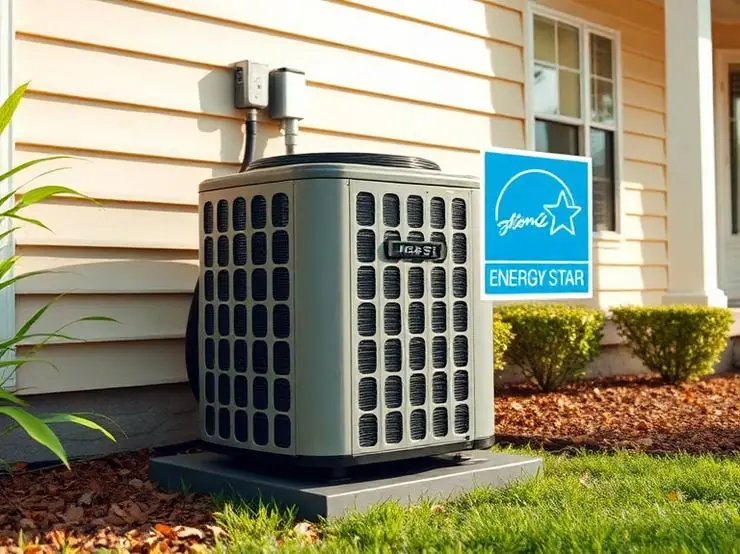

What Drives HVAC Cost in Greater New Orleans
Two homes with the same square footage can get very different quotes, and the reasons are usually structural rather than sales-driven. Equipment capacity and efficiency tier matter, but so do duct condition and sizing, attic access, electrical service, whether a raised home requires different air-handler placement, and permitting requirements that vary by parish and municipality.
That is why we quote from an in-person assessment rather than over the phone. A number given without seeing the ducts, the attic, and the electrical panel is a guess — and guesses tend to change after the crew arrives.
Because Louisiana cooling loads are high, efficiency upgrades pay back faster here than in most of the country. Long runtime is exactly what makes a higher-SEER2 system, variable-speed equipment, and proper duct sealing worth evaluating rather than dismissing on sticker price alone.
- System capacity and efficiency tier
- Duct condition, sizing, and whether replacement is included
- Attic or crawl-space access and equipment placement
- Electrical and disconnect upgrades
- Permits and inspections, which vary by parish
Financing, Rebates, and Tax Credits
Financing is available for qualifying customers on replacement and installation work, subject to credit approval. The practical value is spreading a large unplanned expense across manageable payments, which frequently makes a properly sized, higher-efficiency system reachable when an emergency budget would otherwise force the minimum option.
Beyond financing, several programs may reduce net cost: federal energy-efficiency tax credits for qualifying high-efficiency equipment and heat pumps, utility programs that change from year to year, and manufacturer promotions on specific model families. Because eligibility rules and dollar amounts change, we point homeowners to the current official sources rather than quoting figures that may be outdated — the IRS energy-credit guidance and ENERGY STAR's rebate finder are the two authoritative starting points.
Keep documentation. Model numbers, efficiency ratings, invoices, and the installation date are what you will need at tax time or for a rebate submission, and they are much easier to collect on installation day than a year later.
Repair, Replace, or Finance — Making the Call
A useful framework: weigh the present repair against equipment condition, age, repair history, and refrigerant type together. A significant repair on an older system using an obsolete refrigerant often means paying a large sum for uncertain remaining time. A moderate repair on newer, well-maintained equipment is usually worth doing.
Factor in operating cost, not just repair cost. In a climate with this much runtime, the monthly difference between a failing 12-SEER system and a properly installed modern one is real money — sometimes enough to offset a meaningful share of a monthly payment.
Our financing and savings articles walk through cost ranges, payback math, and what to ask a contractor so you can compare quotes on equivalent scope rather than on the bottom-line number alone.
HVAC Financing & Savings FAQs
How local homeowners approach paying for HVAC work, and where the savings actually come from.
Do you offer financing for HVAC replacement?
Yes, financing is available for qualifying customers on replacement and installation work, subject to credit approval. We review available options during the in-home estimate so you can see the total cost and monthly payment side by side.
Are there tax credits or rebates for a new high-efficiency system?
Federal energy-efficiency tax credits exist for qualifying equipment, and utility or manufacturer programs come and go. Because amounts and eligibility change, check current IRS energy-credit guidance and the ENERGY STAR rebate finder, and keep your invoice and model numbers for documentation.
Why can't you quote a replacement price over the phone?
Cost depends on duct condition and sizing, attic or crawl-space access, electrical requirements, and local permitting — none of which can be assessed remotely. An in-person estimate gives you a number that holds up when the crew arrives.
Is a higher-efficiency system worth it in Louisiana?
More often than in most of the country, because our cooling season is long. High runtime is what turns efficiency into measurable savings. The caveat is installation quality and duct condition — a high-efficiency unit on leaky, undersized ducts will not deliver its rating.
How do I compare HVAC quotes fairly?
Compare scope, not just price: equipment model and efficiency rating, whether duct repair or replacement is included, permit handling, labor and equipment warranty terms, and who performs the work. Two quotes that look thousands apart often cover different jobs.
Should I repair or replace?
Weigh the present repair against equipment condition, age, repair history, and refrigerant type. Large repairs on older systems, or on systems using an obsolete refrigerant, often favor replacement. Moderate repairs on newer, well-maintained equipment usually favor repair.
Your Next Steps
Ready for help from a local team? Start here, or call (504) 762-0331.