How Heat Pumps Work in the Louisiana Climate
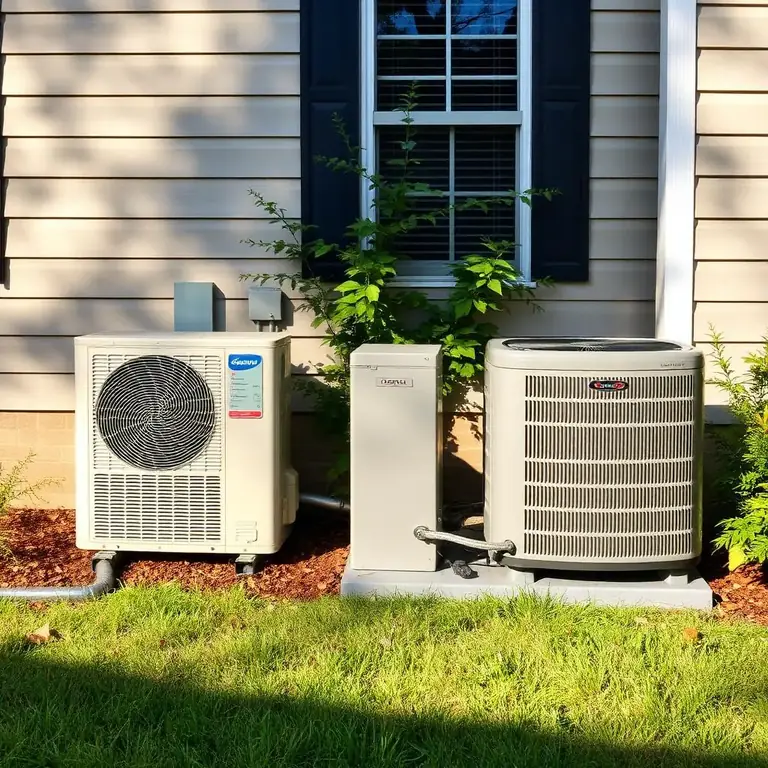
A heat pump is a single piece of equipment that both cools and heats a home by moving heat rather than burning fuel to create it. In cooling mode it works exactly like a central air conditioner. In heating mode it reverses direction and pulls heat out of the outdoor air — even when that air feels cold — and delivers it inside. Understanding that one mechanism explains most of what a heat pump owner notices day to day.
The Reversing Valve: One Machine, Two Jobs
A traditional central AC only cools; heating is handled by a separate furnace. A heat pump is mechanically similar to an AC but includes a reversing valve, which lets the refrigerant cycle run in either direction. In summer it moves heat from inside the house to outside. In winter it reverses and moves heat from outside to inside.
Why Heat Pumps Suit a Mild, Humid Climate
Heat pumps are most efficient when there is more heat available in the outdoor air to extract, which describes most winter days here. Southeast Louisiana also has a long cooling season, so a heat pump spends the bulk of the year doing the same job as a central AC — cooling and dehumidifying — while adding heating capability without a separate furnace.
Defrost Cycles: What You'll Notice
During cold, damp weather, frost can build up on the outdoor coil. The system periodically runs a brief defrost cycle, momentarily reversing into cooling mode to melt that frost, before switching back to heating. It's common to feel a short burst of cooler air indoors during this cycle — that's expected operation, not a malfunction. Frost that never clears after repeated cycles, or air that stays cool well after a defrost, is a sign the system needs to be looked at.
Backup Heat
Most heat pumps here include electric resistance backup heat strips that assist during colder stretches when the heat pump alone can't keep up with the home's heat loss. Backup heat is meant to run briefly and occasionally; if it seems to run for extended periods, that can point to a heat pump that isn't performing at full capacity or a home losing heat faster than expected.
Cooling and Humidity in Summer
In cooling mode, a heat pump removes both heat and moisture from indoor air the same way a central AC does. How much moisture is removed over the course of a cooling season depends more on how the system stages and how long it runs per cycle than on whether it's a heat pump specifically.
Service Life and Upkeep
Because a heat pump runs for both heating and cooling, it accumulates more total run hours over a year than an AC-only system. Service life varies with condition, maintenance, and run hours rather than a fixed number of years, and coastal air exposure can affect equipment condition over time regardless of system type.
If you're trying to decide whether a heat pump or a central AC with separate heat makes sense for a replacement, see our companion article on choosing between the two at replacement time.
Questions About Your Heat Pump's Performance?
Call and we will tell you what we can do, or request service online.
Frequently Asked Questions
HVAC Service Areas
Keeping It Cool Heating & Air proudly serves homeowners throughout the Greater New Orleans area:
Related Articles
Heat Pump or Central AC: Choosing at Replacement Time
How to decide between the two systems when it's time to replace.
Read moreWhy Your Heater Is Not Keeping Up During a Louisiana Cold Snap
Safe checks and warning signs when heating equipment underperforms.
Read moreWhat ENERGY STAR HVAC Ratings Mean in a Gulf Coast Climate
How SEER2 and HSPF2 ratings apply to a long, humid cooling season.
Read moreRelated Services
Need help from a Greater New Orleans HVAC pro? Explore the services most relevant to this article:
Your Next Steps
- Schedule heating and furnace repair
Gulf Coast heating service for furnaces, heat pumps, and dual-fuel setups.
- Compare AC installation and system replacement
Manual J sizing, equipment options, and what a new system includes.
- Heat pump FAQs for Louisiana winters
Why heat pumps suit our mild winters and when backup heat kicks in.
- System replacement FAQs — sizing, equipment, and process
What a changeout involves and what drives the final quote.