
Attic Insulation and R-Value in New Orleans Homes
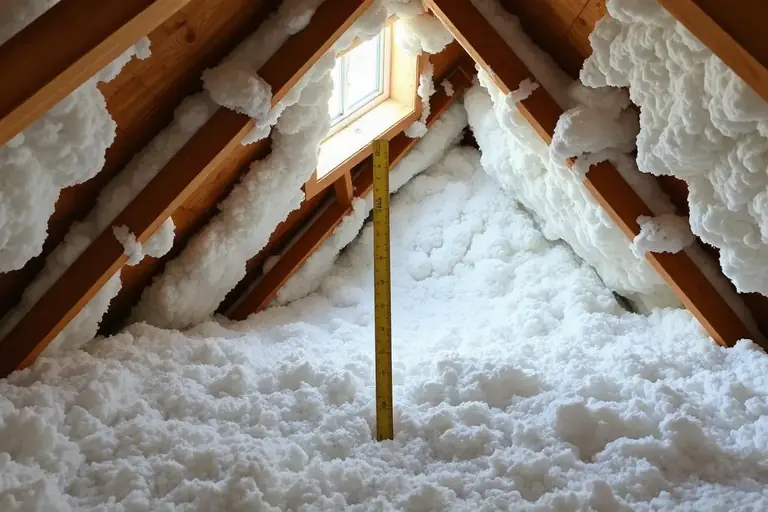
R-value measures how well insulation resists heat flow. The U.S. Department of Energy's climate zone guidance places New Orleans in Climate Zone 2A, with a commonly cited attic insulation range of roughly R-38 to R-60 — many older local homes measure well below that. This is general guidance, not a guarantee of savings for every home; an assessment of your specific attic is the only way to know what makes sense for you.
Here's what R-value means, how insulation and air sealing interact with your AC's workload, and how a real attic insulation assessment works.
Why R-Value Matters on the Gulf Coast
Attic temperatures can run very high on a Louisiana summer afternoon, and that heat pushes toward your conditioned living space through the ceiling. Higher R-value insulation slows that heat flow, but the practical effect on comfort and system runtime depends on the home's construction, air sealing, and duct condition — not on R-value alone.
How Insulation Affects Your AC
An under-insulated attic can make an AC system work harder and run longer than it otherwise would. In many homes, improving attic insulation is associated with:
- Lower AC runtime — the amount varies by home and is not a fixed percentage
- Better humidity control — a system that isn't fighting a constant heat load can run in longer, steadier cycles that remove more moisture
- More even room-to-room temperatures — particularly for upper-floor or west-facing rooms that tend to run warmer
If a system struggles to keep up on a hot day, insulation is worth evaluating before assuming the equipment itself needs repair or a larger replacement.
Blown-In vs. Batt Insulation
For many existing New Orleans homes, blown-in fiberglass or cellulose is a practical option because it:
- Fills irregular joist bays common in older construction
- Can be added over existing insulation without removal in most cases
- Covers around wiring and other obstructions more completely
Batt insulation is more commonly used in new construction with regular joist spacing, or in attics where existing insulation must be fully removed for other reasons (such as damage or contamination).
Efficiency Programs and Incentives
Federal and utility efficiency programs for insulation exist but change over time, including eligibility rules and available amounts. Check the current program terms directly with the program administrator before assuming a project qualifies — do not rely on past program details when budgeting.
Signs an Attic May Be Under-Insulated
- You can see the tops of the ceiling joists when looking across the attic floor
- Upper-floor or west-facing rooms run noticeably warmer than the rest of the house
- The AC runs continuously in the afternoon without the thermostat settling
- Ice forms on the refrigerant line after long runtimes
If cooling issues persist after insulation is addressed, our Gulf Coast maintenance guide covers other seasonal factors, and our maintenance plan can help catch issues early.
Request an Attic Insulation Assessment
We'll measure your current insulation and explain what we find, with an estimate for any recommended work.
Frequently Asked Questions
HVAC Service Areas
Keeping It Cool Heating & Air proudly serves homeowners throughout the Greater New Orleans area:
Related Articles
Related Services
Need help from a Greater New Orleans HVAC pro? Explore the services most relevant to this article:
Your Next Steps
- Get an attic insulation assessment
Blown-in attic insulation sized for Gulf Coast conditions.
- Review HVAC financing options
Payment plans for repairs and system replacements, with approved credit.
- Book a seasonal HVAC tune-up
Prepare the system before the next Louisiana heat wave or cold snap.
- Quote FAQs — how estimates work and what is included
How estimates work and what the written quote covers.