
Category
HVAC Maintenance
Filter changes, tune-ups, checklists, and habits that keep your HVAC running longer and cheaper.
HVAC maintenance is not the same job in New Orleans as it is in a four-season climate. Our systems run close to year-round, coils stay wet for months, and condensate drains face constant biological growth. That runtime is why local systems reward attention and punish neglect faster than the national averages suggest.
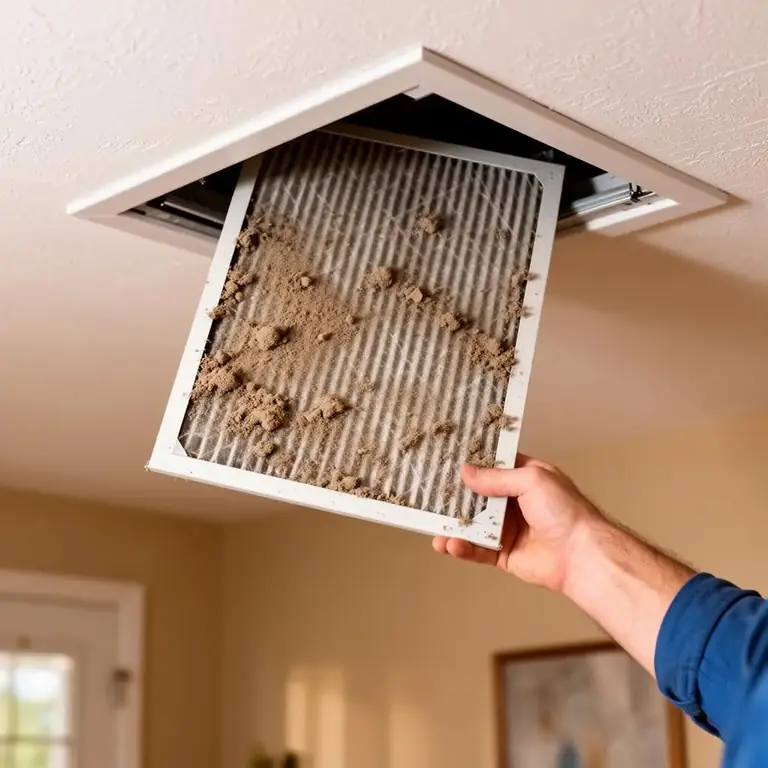
What Year-Round Runtime Does to Equipment
A system that cools from March through October accumulates far more compressor starts, blower hours, and gallons of condensate than one used a few months a year. Coils accumulate a film of dust that acts as insulation, capacitors drift out of tolerance, contactors pit, and drain lines slime over. None of those failures announce themselves — efficiency erodes quietly until a hot Saturday when the system finally cannot keep up.
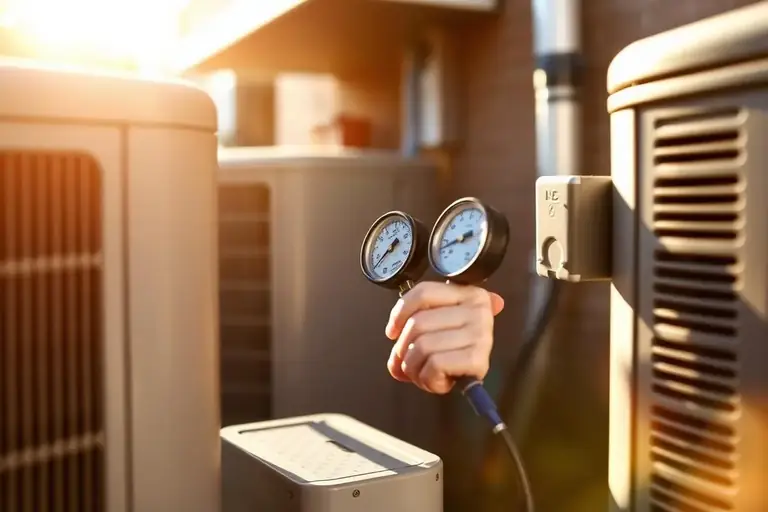
This is also why the most valuable maintenance tasks in our region are the ones tied to moisture and airflow: clearing and treating the condensate drain, washing the outdoor coil, verifying the evaporator is clean, checking blower amp draw, and confirming refrigerant charge and temperature split under real load.
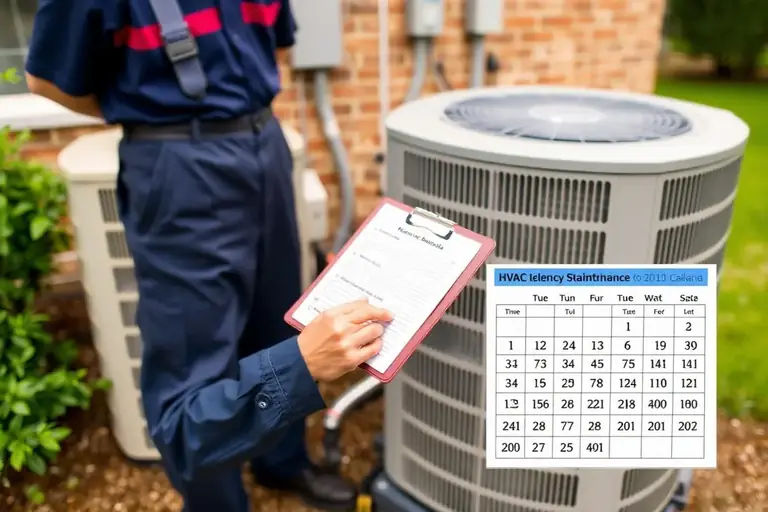
- Filter changed on schedule (every 30–60 days for one-inch filters)
- Condensate drain cleared and treated, safety switch tested
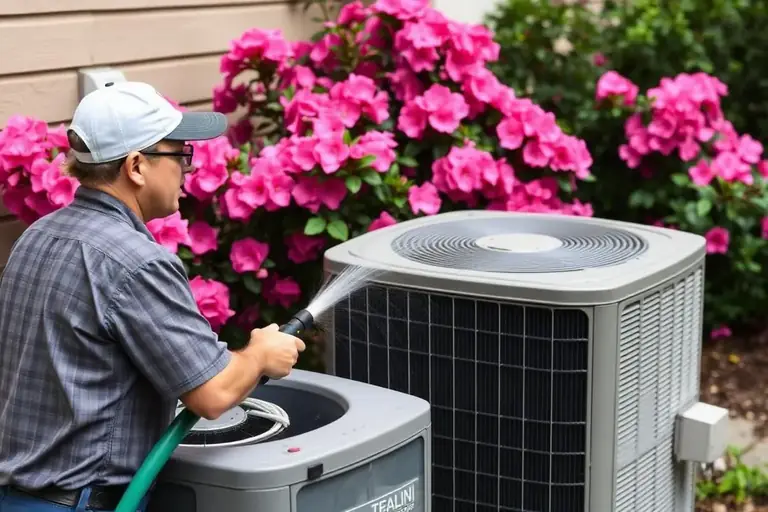
- Outdoor coil rinsed clean and clearances maintained
- Electrical connections, capacitors, and contactors checked
- Refrigerant charge and temperature split verified under load
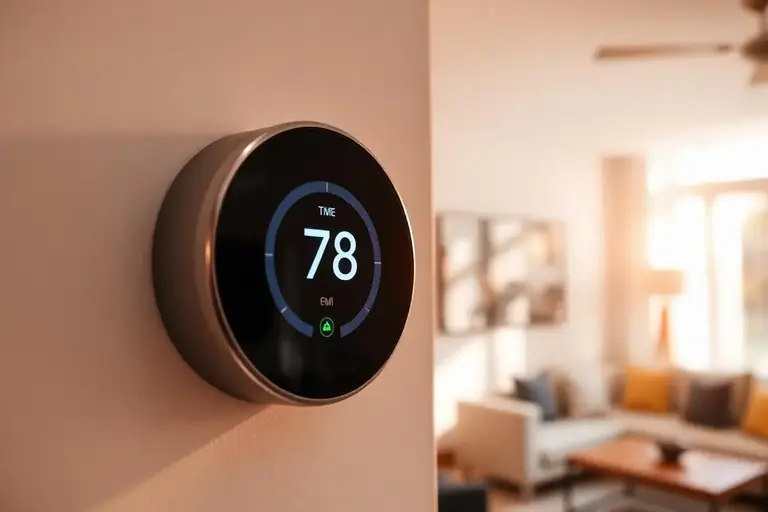
- Thermostat calibration and staging confirmed
A Local Maintenance Calendar
Late winter through early spring is the ideal window for a cooling tune-up — before demand spikes and while scheduling is easy. Mid-summer is the time for a quick homeowner check: rinse the outdoor coil, verify the drain is flowing, and change the filter. Fall is the pre-season heating check. And after any named storm, it is worth inspecting the outdoor unit for debris, flooding exposure, and disturbed electrical connections before running it.
Two visits a year is the standard for a home in this climate, largely because the cooling and heating checks look at different components. Homes with pets, heavy dust, or a raised crawl space benefit from tighter filter intervals in between.
Homeowner Tasks vs. Professional Work
You can safely change filters, keep two feet of clearance around the outdoor unit, rinse the condenser with a garden hose while the power is off, pour a cup of distilled vinegar down an accessible drain line cleanout, and keep supply registers unblocked. Those four habits alone prevent a meaningful share of the emergency calls we take.
Leave refrigerant, electrical, combustion, and any component behind a panel to a licensed technician. Refrigerant handling is federally regulated, capacitors hold a charge after power is off, and a misdiagnosed charge problem can destroy a compressor that would otherwise have lasted a decade.
Our maintenance guides cover both sides honestly — what to do yourself, when to stop, and what a legitimate tune-up should include so you can tell a real inspection from a quick filter swap.
HVAC Maintenance FAQs for New Orleans Homeowners
The maintenance questions we answer most often on service calls around the metro.
How often should HVAC maintenance be done in this climate?
Twice a year — a cooling tune-up in late winter or spring, and a heating check in the fall. Year-round runtime here means components wear faster than in milder climates, and the two visits inspect different parts of the system.
What should a real AC tune-up include?
At minimum: coil condition and cleaning, refrigerant charge and temperature split under load, blower and motor amp draw, capacitor and contactor testing, condensate drain clearing and safety-switch test, electrical connection inspection, and thermostat verification. If a visit consists of a filter change and a visual glance, it is not a tune-up.
How often should I change my air filter?
Every 30–60 days for a standard one-inch filter, more often with pets or heavy dust, and every 6–12 months for a deep media cabinet. Because systems here run most of the year, filters load faster than the packaging suggests.
Why does my drain line keep clogging?
High humidity means high condensate volume, and that constant moisture supports biological growth inside the line. Routine clearing, a treatment tablet or vinegar flush, and a working float switch keep a clog from becoming ceiling damage.
Is a maintenance plan worth the cost?
It is worth it if you would otherwise skip visits. The value is in scheduled visits actually happening, priority scheduling during peak season, and catching small failures before they cascade. Our plan tiers and what each includes are listed on the maintenance plans page.
Can maintenance really extend the life of my system?
Clean coils, correct charge, and healthy electrical components reduce compressor stress, which is the single most expensive part of the system. Well-maintained equipment in this climate commonly runs several years longer than neglected equipment of the same model and age.
Your Next Steps
Ready for help from a local team? Start here, or call (504) 762-0331.