Category
Seasonal Tips
Summer, hurricane season, and cold-snap advice from local HVAC pros who know New Orleans weather.
The HVAC calendar in Greater New Orleans has its own rhythm: a short heating season, a long and punishing cooling season, hurricane season overlapping the worst of the heat, and a few damp cold snaps that catch idle equipment off guard. Seasonal preparation here is less about the thermometer and more about humidity, storms, and power.


Summer: Long Runtime, High Dew Points
From roughly May through September, systems in our area run nearly continuously. That means airflow and moisture management carry the day. Keep filters fresh, keep the outdoor coil clean, and expect longer cycles — a system that runs for extended stretches while holding temperature and humidity is behaving correctly, not struggling.
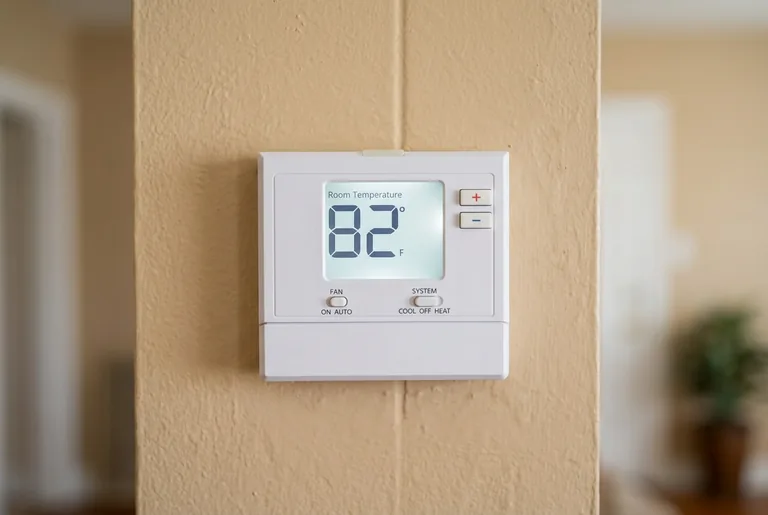
Where homeowners lose ground is thermostat strategy. Deep setbacks during the workday force the system to remove both heat and a large moisture load on recovery, which in high dew points can take hours. A modest setback of two to three degrees usually produces better comfort and similar savings.
Watch for the early warning signs that a mid-August failure is coming: ice on the line set, water around the air handler, longer recovery than last year, or a breaker that trips on the hottest afternoons.
- Set a modest setback rather than a deep one during humid months
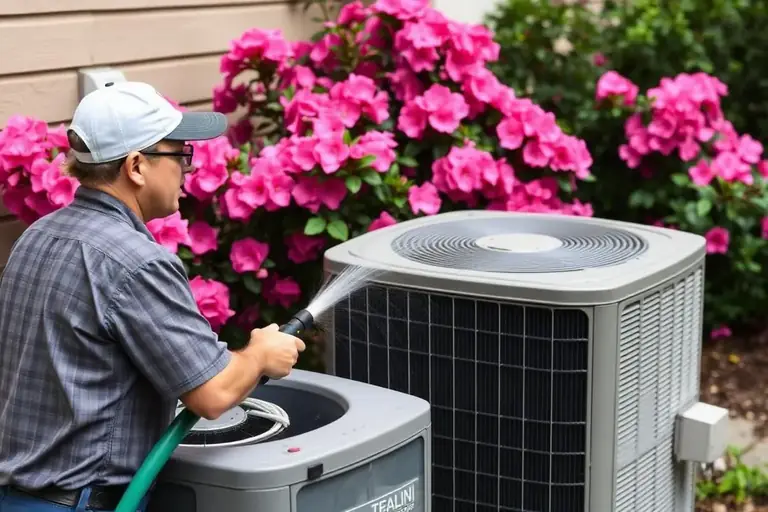
- Rinse the outdoor coil with the power off, and keep two feet of clearance
- Confirm the condensate drain flows freely before peak season
- Close blinds on west-facing glass during afternoon peaks
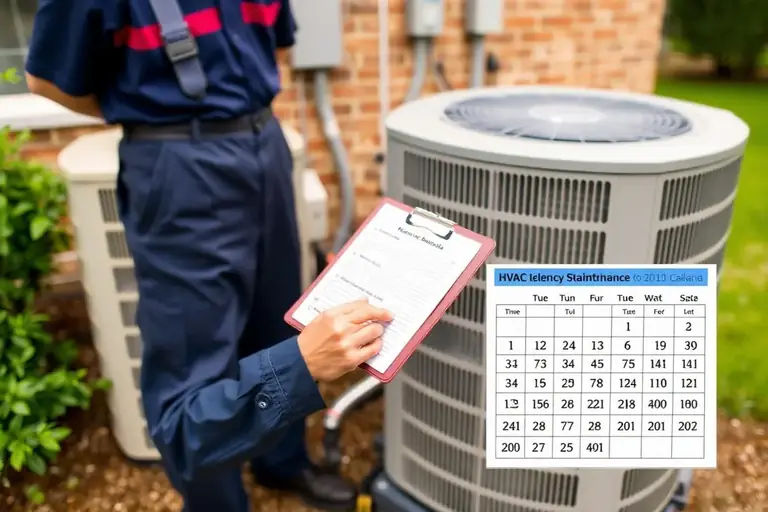
- Have the system checked before the first extended heat wave, not during it
Hurricane Season: Before, During, and After
Storm prep for HVAC comes down to three things: protecting the equipment, protecting the electronics, and knowing when not to run the system. Before a storm, clear loose debris from around the condenser, document the equipment with photos for insurance, and know where your disconnect is. Do not cover a running unit.
When an outage is expected, shut the system down at the thermostat and at the breaker rather than letting it cycle through brownouts and surges — voltage instability during restoration damages more compressors and control boards than wind does.
After the storm, look for standing water at the condenser, debris in the coil, and any sign that water reached electrical components. If the unit was submerged even briefly, have it inspected before energizing. And once power returns, wait several minutes before restarting so pressures equalize.
Shoulder Seasons and Cold Snaps
October through April is when the sneaky problems show up. Mild, damp weather means the AC barely runs, so indoor humidity climbs even though the temperature is comfortable — the classic Louisiana clammy house. This is when whole-home dehumidification and duct sealing prove their value.
Then a front arrives and heating equipment that has been idle for months is asked to perform. Change the filter, run the heat for a short test before you need it, verify carbon monoxide alarms if you have gas appliances, and protect exposed plumbing and condensate lines during hard freezes.
Our seasonal articles line up with this calendar — spring tune-ups, summer efficiency, storm readiness, and cold-snap checklists written for the way weather actually behaves in Southeast Louisiana.
Seasonal HVAC FAQs for Southeast Louisiana
Storm, summer, and cold-snap questions from homeowners across the Greater New Orleans area.
Should I turn off my AC before a hurricane?
Yes. Shut the system down at the thermostat and at the breaker before an expected outage. Brownouts and the surges that come with power restoration are a leading cause of compressor and control-board damage during storm season.
How soon can I run my AC after the power comes back?
Wait a few minutes after stable power returns, then restore the breaker and start at the thermostat. If the outdoor unit sat in standing water or took debris into the coil, have it inspected before energizing it.
What is the best thermostat setting for a New Orleans summer?
Most households land between 74°F and 78°F with only a small setback while away. Deep setbacks are counterproductive in high humidity because the system has to remove a large moisture load on recovery, which takes hours and can leave the house feeling damp.
When should I schedule a spring tune-up?
February through April. Scheduling is easier, problems get fixed before demand peaks, and you are not waiting on parts during the first heat wave.
Why is my house humid in the fall when it isn't hot?
Because the AC does not run long enough to dehumidify during mild, damp weather. Correcting duct leakage helps, and a whole-home dehumidifier solves it directly by removing moisture independent of cooling demand.
What should I do to prepare for a hard freeze?
Change the filter, run the heat briefly to confirm it works, keep the thermostat at a steady setting instead of a deep setback, protect exposed condensate and water lines, and make sure carbon monoxide alarms are working if you have gas appliances.
Your Next Steps
Ready for help from a local team? Start here, or call (504) 762-0331.